

Photo Credit: The Met Museum
Women’s stories, accomplishments and even conquests are often hidden in plain sight. Rarely do we see those narratives in film or television, or highlighted in history books or required reading. As a student, the leaders of note that I knew about were only white European men or descendants of white European men. Women were footnotes in revolutionary times, political moments, scientific studies, and artistic movements. Where were the they?
So, I decided to do some digging. A friend studying for her PhD turned me on to the story of Queen Nzinga, a warrior monarch of the Mbundu people. Women’s herstory just got a lot more interesting ...
who was Queen Nzinga?
Queen Nzinga (1583-1663) lived and ruled in the early 17th century in the region of central Africa now known as modern day Angola. Not only was she a fearless leader who fought against the expanding threat of the Portuguese colonization and slave trade, she was also a brilliant military strategist, shrewd politician, and clever diplomat. Well into her sixties, she was forging alliances with rival African states and the Dutch as well as leading her own troops into battle, sometimes dressed as a man. She resisted the Portuguese forces until 1657. Focused on rebuilding her nation, she negotiated a peace treaty, resettled former slaves, and demanded equity for her position in the eyes of the Portuguese by establishing trade relations and converting to Christianity. Queen Nzinga was a force to contend with and continued to inspire her people as a symbol of resistance well beyond her death.

Photo Credit: Wikipedia
a warrior woman of legend
Her legacy is notable and, at times, controversial. Fact and fiction often weave together to provide fascinating accounts of her unique herstory. Painting a picture of a powerful, inspiring, and unconventional woman. In 1622, during negotiations with the Portuguese governor, Nzinga was refused a chair. Understanding her political disadvantage, she ordered one of her servants to get down on the ground and create a perch for her to sit on. Settling on the servant’s back, she proceeded to launch into negotiations. When the discussion ended, Nzinga is said to have slit the servant’s throat in front of the Portuguese governor, perhaps in an attempt to establish her power and authority. Her diplomatic efforts ultimately secured a temporary peace with the Portuguese.
Other accounts of Queen Nzinga state that she maintained a harem of 50-60 men, dressing them as women. The men in her harem would fight each other to the death for the right to share her bed for the night. Those fortunate enough to win the contest, and her sexual attention, were put to death the following morning.
Queen Nzinga was a warrior woman that ruled as a king, liberating her people, and establishing dominance in era of men. She is memorialized with a statue in Kinaxixi Square in Luanda and a series of state issued coins. Despite being a legend and a revolutionary, we cannot find Queen Nzinga in most history books. I, for one, think she should feature prominently.
***
learn more:
For more incredible information and links about Queen Nzinga, as well as an hour long podcast, visit The History Chicks website for “Episode 80: Queen Nzinga”.
Sources:
https://en.wikipedia.org/wiki/Nzinga_of_Ndongo_and_Matamba
https://www.blackpast.org/global-african-history/queen-nzinga-1583-1663/
http://www.africanfeministforum.com/queen-nzinga-angola/
http://thehistorychicks.com/episode-80-queen-nzinga/


New research is revealing the empowering impact of cannabis use and sexual well being for women.

Depicted in art for a millenia, women have straddled the line between subject and object. Is there agency in objectification?



Nearly half of the US has legalized recreational marijuana. Now seems like a perfect time to talk about cannabis and orgasms.
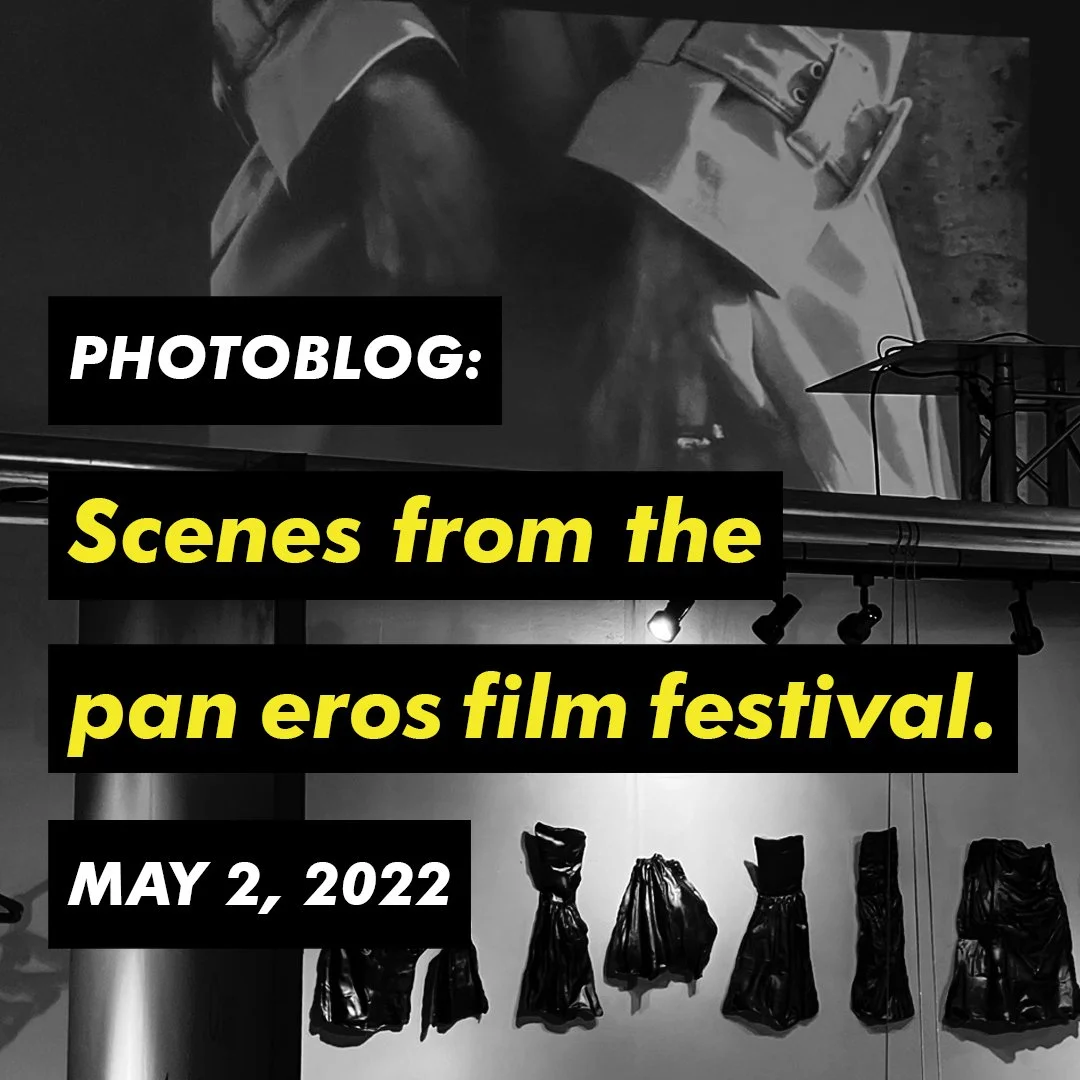
Scenes from the silent film showcase of the Pan Eros Film Festival at the Seattle Erotic Art Festival on April 30, 2022.

#RespectHerSex: The Erotic Drama is an official selection of the Pan Eros Film Festival.

Social media companies are defining what is acceptable art and body image standards by circumventing their own rules. Women and artists continue to pay the price.

Is it possible to be feminist and sex-positive? Feminism and sex intertwine in a myriad of different ways, and lately, appear to be at odds with each other.
Research tells us that medically accurate and comprehensive sex education benefits women (and all genders). So why are parents trying to shut it down?

As women writers, we need to do more to include sex and sexuality in our work - all the messy, complicated, and real bits.


The reporting on the Katie Hill scandal wants you to believe a woman made bad decisions. I disagree.

Sexism is hidden in plain sight, it’s subtleties overlooked, especially when a headline sells a story.
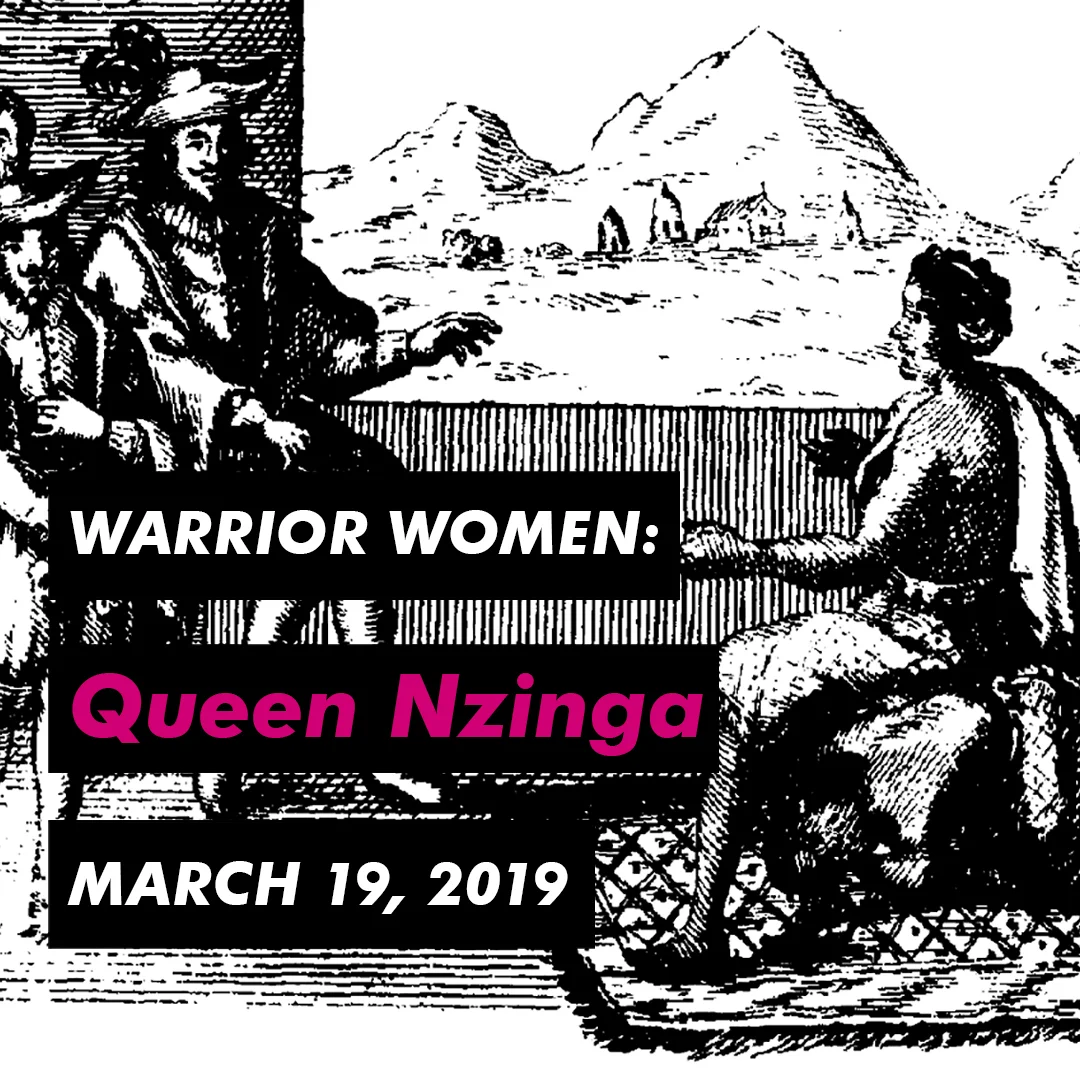

The stories of women have been lost to the omissions of history. It’s time to write Herstory.

Meet the inspiring women of Foto Femme United as we talk photography, feminism and what it means to be part of the resistance.


A number that is a recurring part of my herstory.